
Planning Beyond the Portfolio for High-Net-Worth Clients
Transcript
Source: WM_LPL_Financial#3_Audio.mp4
Spoken program length: approximately 5 minutes, 8 seconds
SHANNON ROSIC:
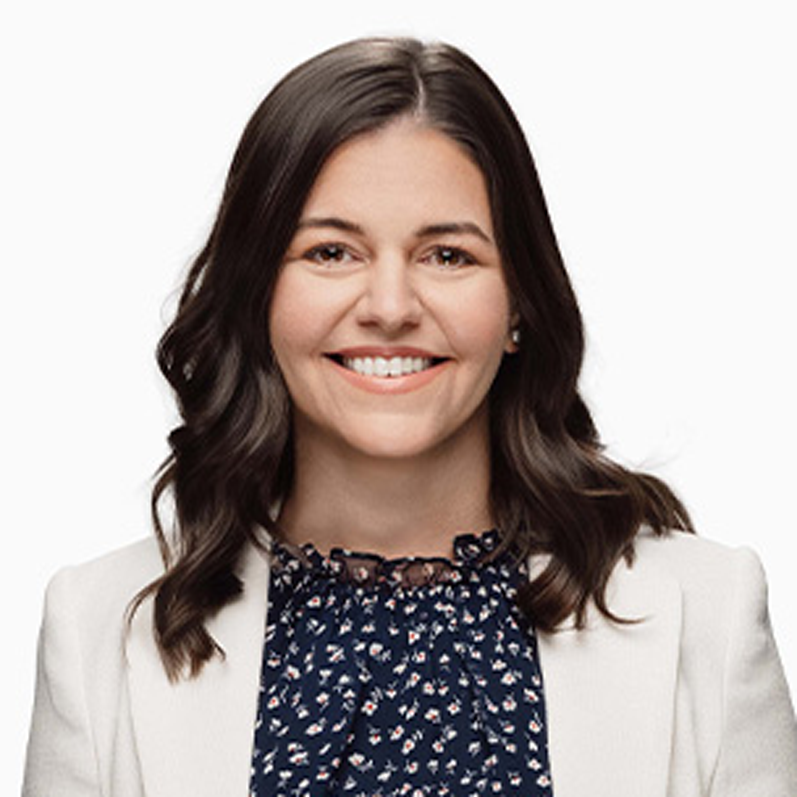
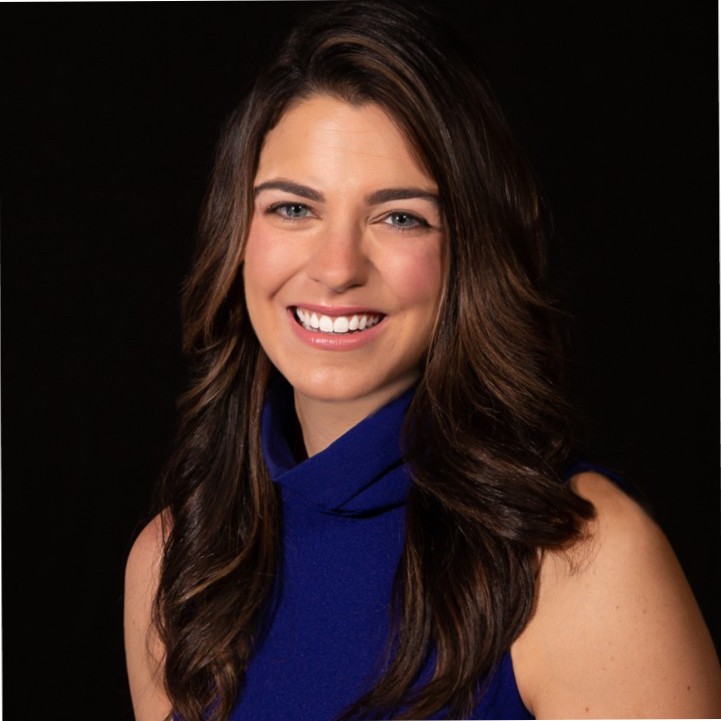
Hi, everyone, and welcome to this Wealth Management Fast Chat. I’m Shannon Rosic, director of content solutions, and I am thrilled to be joined by Tara Popernik, executive vice president of wealth planning at LPL Financial.
Today, we’re talking about the evolving needs of high-net-worth clients, the planning conversations advisors should be having, and where there may be untapped opportunities to deliver more value.
Tara, thank you so much for joining me.
TARA POPERNIK:
Well, happy to be here. Thanks for having me.
SHANNON ROSIC:
I want to get right into the hard-hitting questions. What topics are clients asking their advisors about today?
TARA POPERNIK:
Look, I think, in part because we’ve had robust market returns over the last several years, a lot of the questions we’re getting from clients are around concentration within their portfolio, diversification, taxes, and how philanthropy figures into their overall plan—especially this time of year, as it’s giving season.
SHANNON ROSIC:
I think one area that’s particularly interesting, especially for clients who’ve built significant wealth through company stock, is managing those concentrated positions. There are a lot of considerations beyond simply diversifying a portfolio, right? Can you provide more detail on concentrated-stock strategies?
TARA POPERNIK:
Sure. The first thing the advisor needs to do is really understand the client’s goals and how that concentrated position fits into their overall portfolio and within their overall strategy.
The second thing is: What are they really looking for? Often, strategies might be combined to accomplish multiple goals.
For a client looking for liquidity, we may pursue an avenue of a securities-backed line of credit. For a client pursuing risk reduction, you can simply diversify; you can hedge. If you want to reduce risk and defer taxes, you could look toward deferral strategies such as an exchange fund—or, early next year, when the Opportunity Zone program comes online, potentially leverage some tax-loss-harvesting portfolios in order to generate losses to offset gains in a concentrated position.
Then, if that client has some charitable intent, use a portion of the stock for annual donations or even a large, one-time donation to a donor-advised fund.
SHANNON ROSIC:
To your point, even beyond managing investments and tax exposure, another important part of wealth planning is understanding what clients want to accomplish with their wealth, including the causes and organizations they care about. How can advisors broach the subject of philanthropy with their clients?
TARA POPERNIK:
I hear a lot from advisors that they may not be comfortable bringing up philanthropy because it is so personal. In fact, the Philanthropic Initiative did a study this year, and the results were that 40% of advisors believe it might make clients uncomfortable to bring up philanthropy.
But they also surveyed clients, and 81% of clients said no, they would not feel uncomfortable if their advisor asked about their philanthropic intent.
My advice to advisors is: Get over that hurdle. You have an opportunity to lean into something like recent tax-law changes or a financial change in your client’s situation to bring it up.
If there is not that opportunity, maybe you frame it as a process change and say, “Hey, I’m restarting my financial-planning practice, and I would like to start in on philanthropy. I’m asking all my clients about the causes they care about.” Or maybe an advisor sees something on the tax return.
The real message is: Bring it up, because clients are expecting you to.
SHANNON ROSIC:
We’ve touched on a few areas where advisors can add value beyond traditional investment management. But when you look at the broader high-net-worth landscape, I would imagine there are still some opportunities that just aren’t getting enough attention. What opportunities might advisors be missing with those types of clients?
TARA POPERNIK:
First and foremost, since the great wealth transfer is upon us, is engaging with that next generation of your client’s family. Whether it’s children or grandchildren, offer the opportunity to help bring those folks into the practice and do a level set of a financial plan for the next generation or beyond.
Sometimes that includes philanthropy. Sometimes that includes estate planning. But really trying to engage the full family and the inheritors should be a big part of the conversation to deepen the relationship.
Beyond that, there may be an opportunity to introduce outside providers. If a client has a situation where maybe they need a bill-pay practitioner, or maybe they need some artwork appraised in their household, can the advisor facilitate those introductions and become the quarterback of the overall financial picture?
SHANNON ROSIC:
What I’m hearing is that the big takeaway from this conversation is that stronger high-net-worth client relationships often start with just asking better questions and looking beyond the portfolio to uncover more meaningful planning opportunities.
Tara, thank you so much for sharing your insights.
TARA POPERNIK:
Thanks so much for having me.
SHANNON ROSIC:
Be sure to connect with the LPL team of experts and check out the additional resources provided.
Thanks so much for watching this Wealth Management Fast Chat. We’ll see you next time.
— End of transcript —
Topics Discussed
Expand Your Possibilities at LPL Financial
What if you could build the practice you always envisioned on your terms? LPL Financial is dedicated to making that possible for over 32,000 financial advisors serving 8 million families. Advisors and institutions can choose from a wide variety of business models, investment solutions, fintech tools, and practice management resources, giving them the flexibility to create and grow a business that fits their goals.
